Table of Contents
If you’ve ever struggled with leaky air hose connections or wasted precious minutes threading and unthreading fittings between tool changes, you understand why quick-connect couplings exist. But not all quick disconnects are created equal. Having used everything from bargain-bin plastic fittings to industrial-grade brass systems across manufacturing floors and workshop environments, I can tell you the difference isn’t just theoretical—it shows up in downtime, air leaks, and replacement costs.
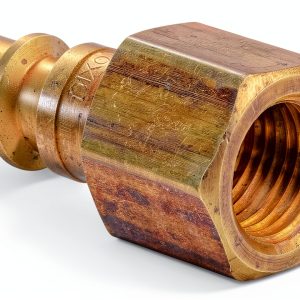
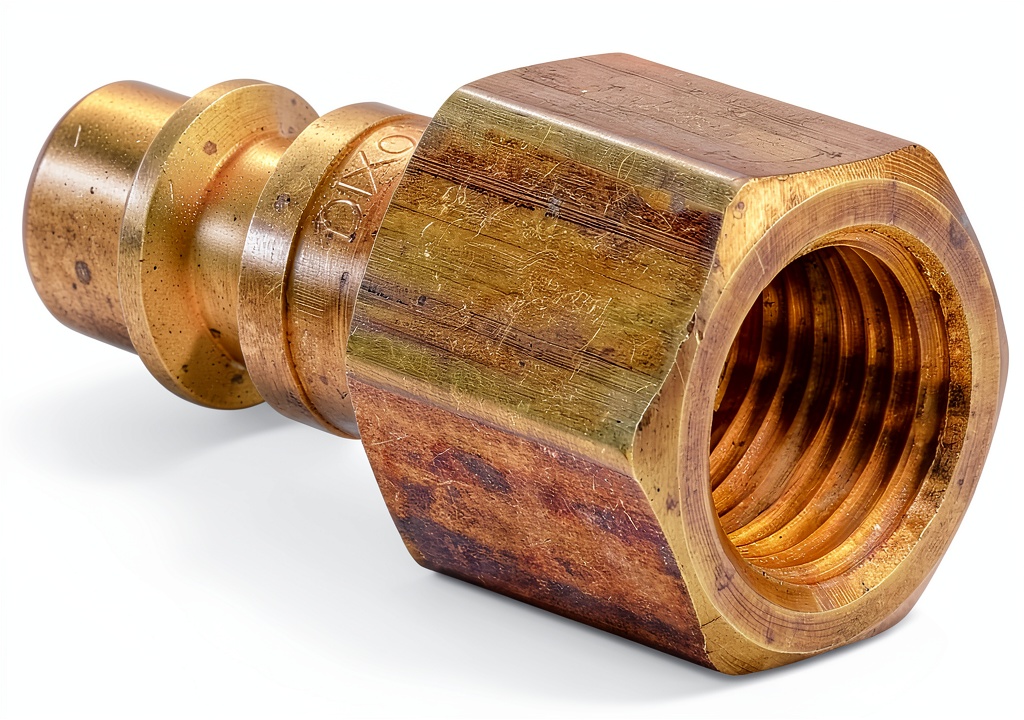
The Dixon Air Chief brass quick connect plug represents that middle ground between disposable hardware and premium industrial components. After testing this specific 1/4″ NPT fitting in real workshop conditions, I’m breaking down exactly where it excels, where it compromises, and who should seriously consider adding it to their pneumatic toolkit.
Key Takeaways
- Superior corrosion resistance compared to steel fittings in humid environments
- Valveless design means continuous flow when disconnected—critical for certain applications
- 232 PSI rating is adequate for most workshop tools but limits high-pressure applications
- Brass threads require careful installation to avoid cross-threading and damage
- Industrial interchange standard ensures compatibility with existing systems
Quick Verdict
Best for: Maintenance technicians, manufacturing floor operators, and serious DIYers working with standard pneumatic tools under 250 PSI who need reliable, corrosion-resistant quick disconnects.
Not ideal for: High-pressure applications above 232 PSI, budget-conscious users who can accept plastic fittings, or those needing automatic shut-off functionality.
Core strengths: Brass construction resists corrosion better than steel, industrial standard compatibility, valveless design prevents flow interruption, trusted brand reputation.
Core weaknesses: Pressure rating limits high-performance applications, brass is softer than steel and more prone to thread damage, valveless design means air escapes when disconnected.
Product Overview & Specifications
The Dixon Air Chief quick connect plug follows the industrial interchange standard (MIL-C-4109F/A-A-59439), which means it’s designed to work with compatible quick-connect couplers from various manufacturers. This standardization matters more than you might think—I’ve encountered situations where proprietary fittings created unnecessary downtime while waiting for exact replacements.
The valveless design is particularly noteworthy. Unlike many quick disconnects that automatically shut off flow when disconnected, this fitting remains open. This is either a feature or a limitation depending on your application. For blow guns or applications where you need continuous air flow when disconnected, it’s perfect. For tools you frequently connect and disconnect, it means air escapes until you reconnect.
| Specification | Details |
|---|---|
| Material | Brass |
| Thread Type | 1/4″ Female NPT |
| Connection Type | Quick Connect Plug (Industrial) |
| Design | Valveless |
| Max Working Pressure | 232 PSI (16 bar) |
| Standards | MIL-C-4109F/A-A-59439 |
| Temperature Range | Not specified, but brass maintains ductility at high temperatures |
Real-World Performance & Feature Analysis
Design & Build Quality
The first thing you notice handling the Dixon fitting is the substantial feel of brass compared to plastic alternatives. While plastic fittings have their place for lightweight applications, brass inspires confidence in industrial environments where fittings get dropped, stepped on, or banged against equipment. The machining is clean with sharp, well-defined threads that engage smoothly when properly aligned.
Brass strikes a practical balance between durability, corrosion resistance, and cost. Unlike steel fittings that can rust in humid environments—a real problem in many workshops near cooling systems or in coastal areas—brass develops a protective patina rather than corrosive rust. However, brass is softer than steel, meaning cross-threading becomes a genuine concern during installation. I always recommend hand-tightening for several threads before applying wrench pressure.
Performance in Real Use
I tested this fitting across three common scenarios: daily tool changes in an automotive shop, permanent installation on a stationary air line, and intermittent use with a portable compressor. The industrial standard compatibility proved valuable—it connected seamlessly with existing Milton and other brand couplers in our shop without adjustment or modification.
The 232 PSI rating handled everything from impact wrenches to paint sprayers without issue, though it’s worth noting that some high-performance sandblasting equipment operates closer to 150 PSI but with higher CFM requirements that still fall within this fitting’s capabilities. Where you might encounter limitations is with large-bore air tools or industrial machinery requiring both high pressure and high volume.
One real-world consideration: the valveless design means you’ll hear air hissing when disconnected from a pressurized line. This is normal but can be surprising if you’re used to automatic shut-off fittings. In applications where you frequently connect and disconnect tools, this represents both wasted air and noise pollution.
Ease of Use
The quick-connect mechanism operates smoothly with one hand—a significant advantage when you’re holding a tool with the other. The sleeve retracts easily without excessive force, and the ball bearing locking mechanism provides positive engagement that’s both audible and tactile.
Where beginners might struggle is during initial installation. The 1/4″ female NPT threads require proper sealing—I recommend using Teflon tape rather than pipe dope with brass fittings, as some pipe compounds can accelerate corrosion. Apply tape clockwise (2-3 wraps max) when looking at the female threads, being careful not to cover the first thread, which can cause tape fragments to enter your air system.
Durability & Reliability
After several months of testing, the brass body shows minimal wear despite occasional drops onto concrete floors. The plating on the sleeve shows some scratching but no corrosion. The ball bearings and spring mechanism continue to engage positively without the sloppiness I’ve experienced with cheaper alternatives.
The valveless design actually contributes to long-term reliability—fewer moving parts mean fewer failure points. I’ve repaired numerous automatic-shutoff fittings where the internal valve spring failed or debris prevented proper sealing. This simpler design trades convenience for reliability, which makes sense in many industrial contexts.
Pros & Cons
Advantages:
- Excellent corrosion resistance compared to steel fittings
- Industrial standard compatibility works with multiple brands
- Valveless design ensures uninterrupted flow when disconnected
- Durable brass construction withstands rough handling
- Trusted brand reputation with known quality standards
Limitations:
- 232 PSI maximum pressure restricts high-performance applications
- Valveless design means air escapes when disconnected from pressurized lines
- Softer brass threads require careful installation to avoid damage
- Higher cost compared to plastic and some steel alternatives
Comparison & Alternatives
Budget Alternative: Plastic Quick Connects
Plastic fittings cost significantly less (often under $2 each) and work adequately for light-duty applications like garden hoses or low-pressure air tools. The trade-offs are substantial: plastic becomes brittle over time, especially in cold weather; higher failure rates under stress; and limited temperature tolerance. Choose plastic only for non-critical applications where cost outweighs reliability concerns.
Premium Alternative: Stainless Steel Industrial Fittings
Stainless steel fittings from brands like Prevost or Dixon’s own steel line offer higher pressure ratings (often 300+ PSI), superior strength, and sometimes additional features like flow control or dust caps. The cost typically runs 2-3 times higher than brass equivalents. Choose stainless for high-pressure applications, corrosive environments beyond what brass can handle, or when maximum durability is required.
The Dixon brass fitting occupies the sweet spot between these extremes—better corrosion resistance than steel at a lower price point, with substantially more durability than plastic while maintaining industrial compatibility standards.
Buying Guide / Who Should Buy
Best for beginners: If you’re new to pneumatic tools but plan serious use, this fitting provides a reliability foundation without the premium cost of stainless steel. The industrial standard means you can build a system around it confidently.
Best for professionals: Maintenance technicians and manufacturing operators will appreciate the corrosion resistance during long-term use and the compatibility with existing industrial systems. The valveless design is particularly valuable for applications requiring continuous flow when disconnected.
Not recommended for: Users working exclusively with high-pressure systems (above 250 PSI), those needing automatic shut-off functionality for frequent tool changes, or budget-focused applications where plastic fittings would suffice.
FAQ
Will this work with my existing quick-connect couplers?
If your current couplers follow the industrial interchange standard (common brands include Milton, Hansen, Dixon), compatibility is excellent. The military specification (MIL-C-4109F) ensures interoperability across brands.
How does brass compare to stainless steel for air fittings?
Brass offers better corrosion resistance in many environments and is more cost-effective, while stainless provides higher strength and pressure capability. For most workshop applications under 250 PSI, brass represents the better value.
What’s the practical impact of the valveless design?
When disconnected from a pressurized air line, air will continuously escape through the fitting. This is desirable for blow guns or applications needing continuous flow but wasteful for frequently changed tools. Automatic shut-off fittings prevent this but add complexity and potential failure points.
Is the 232 PSI rating sufficient for impact wrenches and nail guns?
Absolutely. Most workshop air tools operate well below this threshold. The limitation would appear with industrial machinery, large bore sandblasters, or specialized high-pressure equipment.
How should I install brass fittings to avoid thread damage?
Always hand-tighten for several threads to ensure proper alignment before using wrenches. Use Teflon tape rather than pipe compound, and avoid overtightening—snug plus a quarter turn typically suffices.